

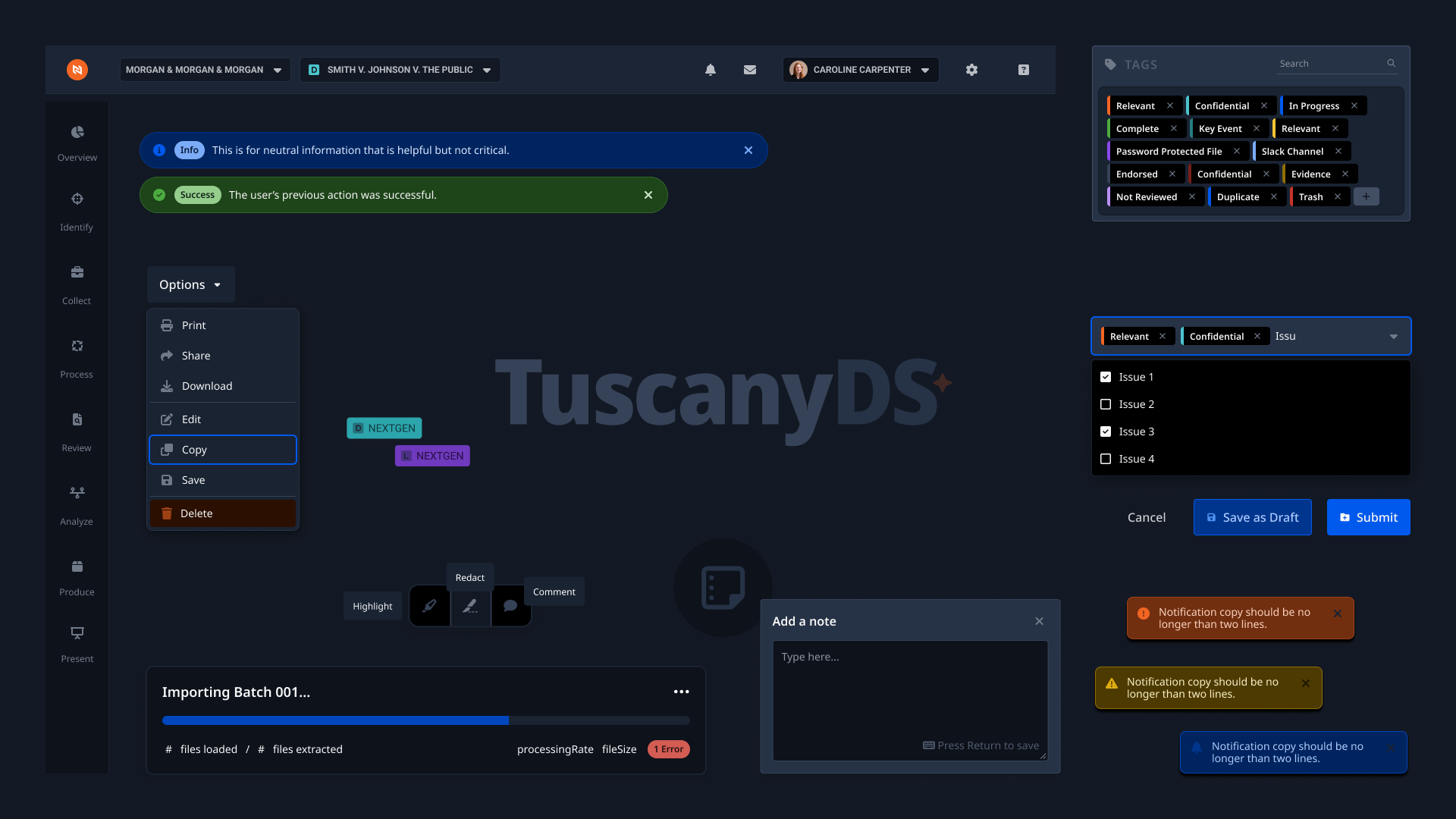


Not all components are equal.
The word component gets used to describe a lot of very different things. Some UI elements form the foundation of the product. Others encode repeatable product decisions. Others exist only to solve a local problem on a single screen. Using the same word for all of them makes decisions murky and reuse harder than it needs to be. This post introduces a simple mental model—component tiers—to create shared language and make system decisions clearer and faster.
I wrote and published this content and loads of documentation for Confluence while working at Nextpoint.
Designing for consequence
I want to share a core principle that shapes how I think about design, systems, and product decisions — especially the ones that don’t always feel obvious in the moment.
This isn’t a rule and it’s not a mandate. It’s just context.
I wrote and published this content for Confluence while working at Nextpoint.
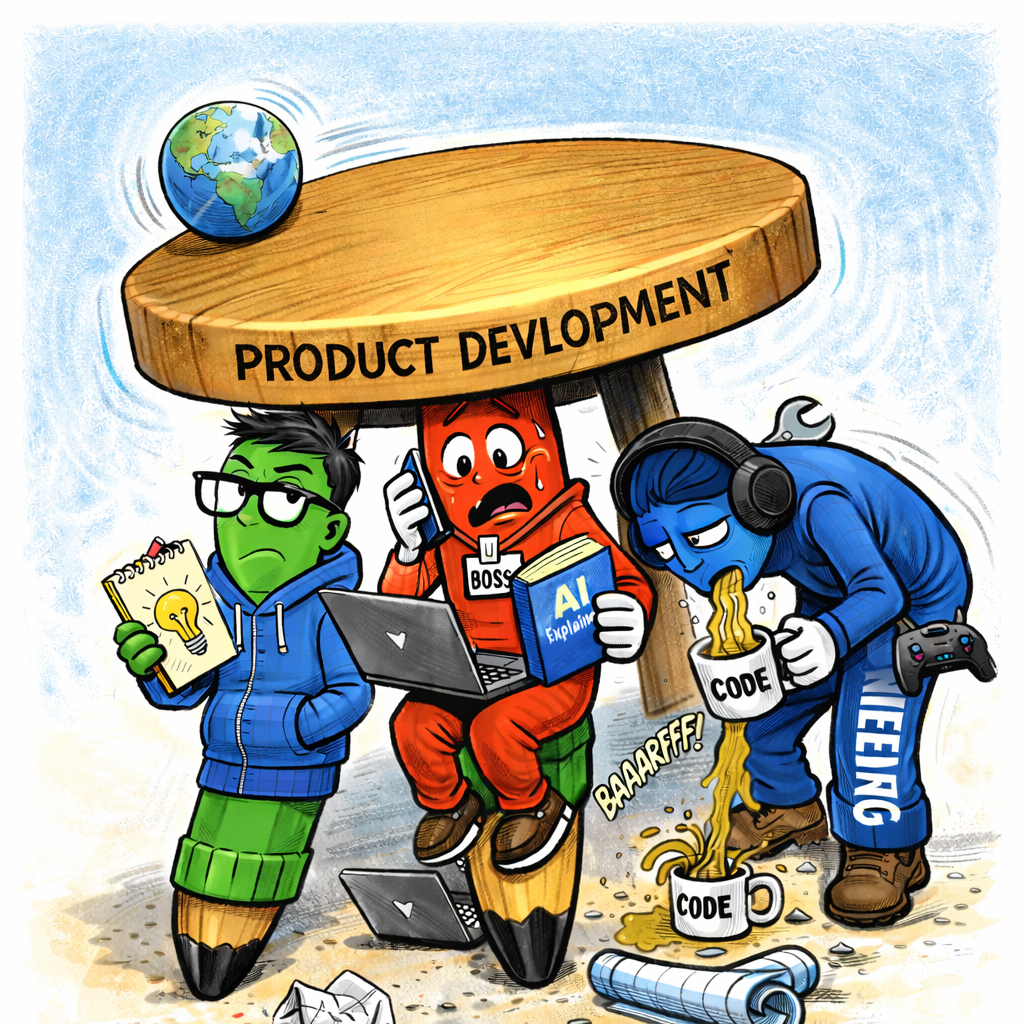
The Precarious stool of chaos
Just a moment in time. Nothing is permanent. Nobody’s perfect every day.

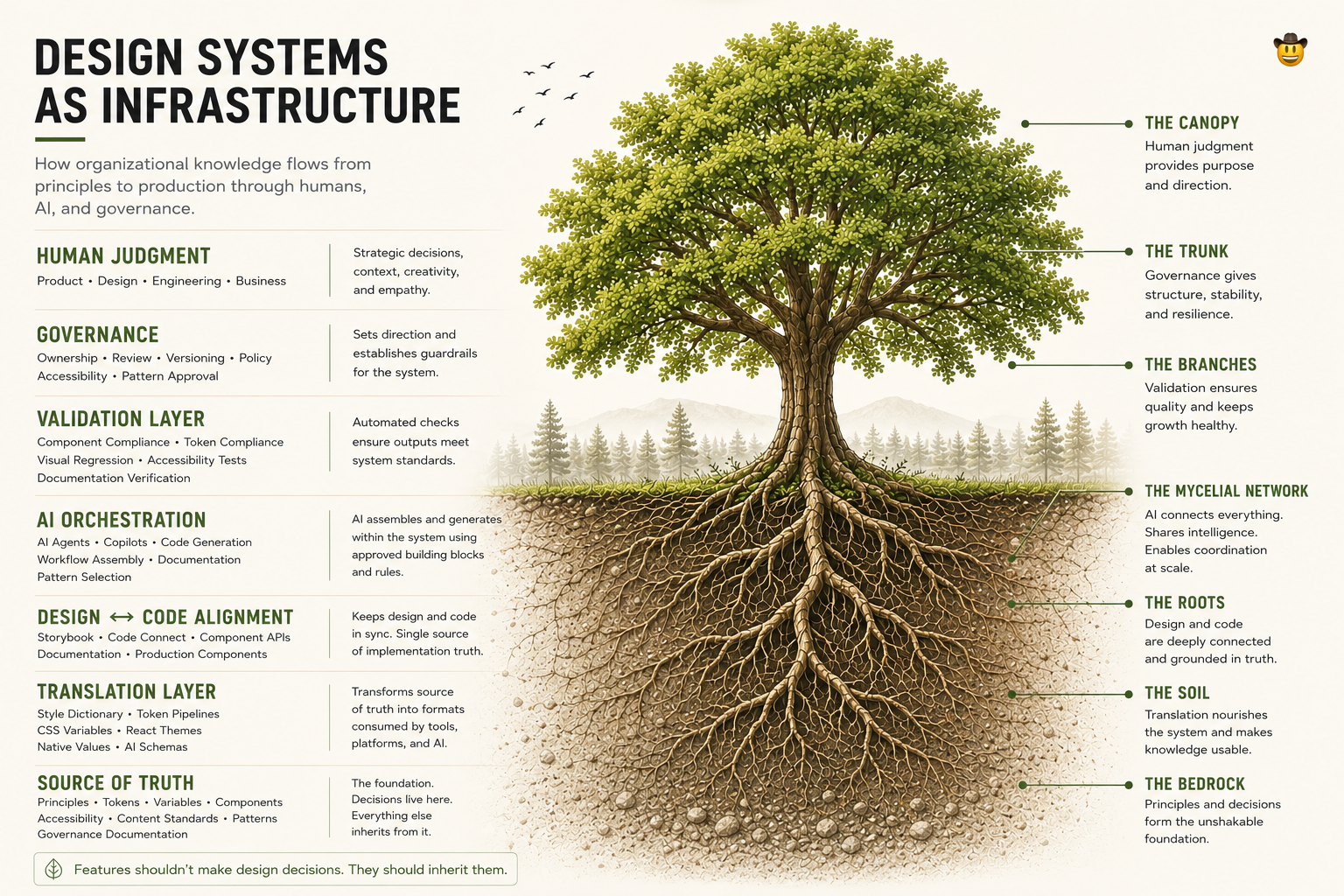
Thinking About Design Systems as a Utility (feat. the Texas Power Grid)
Engineers don’t resist design systems because they hate consistency. They resist them because the cost shows up now and the benefit shows up later. A good design system isn’t a collection of components or a design favor—it’s shared infrastructure.
I wrote and published this content and loads of documentation for Confluence while working at Nextpoint.